Implementing Rules for Network Services of SDI FBiH Published in the Official Gazette of FBiH No. 16/26

Implementing Rules for Network Services of SDI FBiH Published in the Official Gazette of FBiH No. 16/26

In the “Official Gazette of the Federation of Bosnia and Herzegovina”, No. 16/26 of February 27, 2026, the Implementing Rules for Network Services of the Spatial Data Infrastructure of the Federation of Bosnia and Herzegovina were published. Their adoption represents an important step in the further regulatory and technical development of the SDI FBiH, in accordance with the Law on Spatial Data Infrastructure of the Federation of Bosnia and Herzegovina (“Official Gazette of the Federation of BiH”, No. 55/21).

These implementing rules establish the requirements for the establishment and maintenance of network services defined by the Law, as well as the obligations related to their availability. The rules cover discovery, view, download, transformation, and invoke services, thereby defining in more detail the technical framework for access to and exchange of spatial data in the Federation of Bosnia and Herzegovina.

It is particularly important that the document, in addition to the traditional OGC web services, also recognizes equivalent OGC API standards as an innovative way of implementing network services. Among others, OGC API Records are recognized for discovery services, OGC API Maps and Tiles for view services, OGC API Features for download services, and OGC API Processes for invoke services. In this way, additional space is opened for more modern, flexible, and interoperable technical approaches in the development of spatial services.

The annexes to the implementing rules also regulate in detail issues related to the quality of network services, including performance, capacity, and availability criteria, which apply to both OGC Web Services and OGC API implementations. This ensures more reliable and efficient access to data, with clearly defined technical requirements for the SDI FBiH stakeholders responsible for establishing and maintaining these services.

The publication of these implementing rules was preceded by public consultations launched on October 23, 2025, in accordance with the conclusion of the SDI FBiH Council from its 48th session. The preparation of this by-law was also discussed at the 49th session of the Council held on December 22, 2025, as well as at the 50th session held on February 17, 2026. This continuity of activities confirms a systematic approach to the development of the regulatory and technical framework of the SDI FBiH.

The implementing rules enter into force on the eighth day following their publication in the “Official Gazette of the Federation of Bosnia and Herzegovina”.
Train-the-Trainer Workshop Held within the GeoConnect Project

Train-the-Trainer Workshop Held within the GeoConnect Project

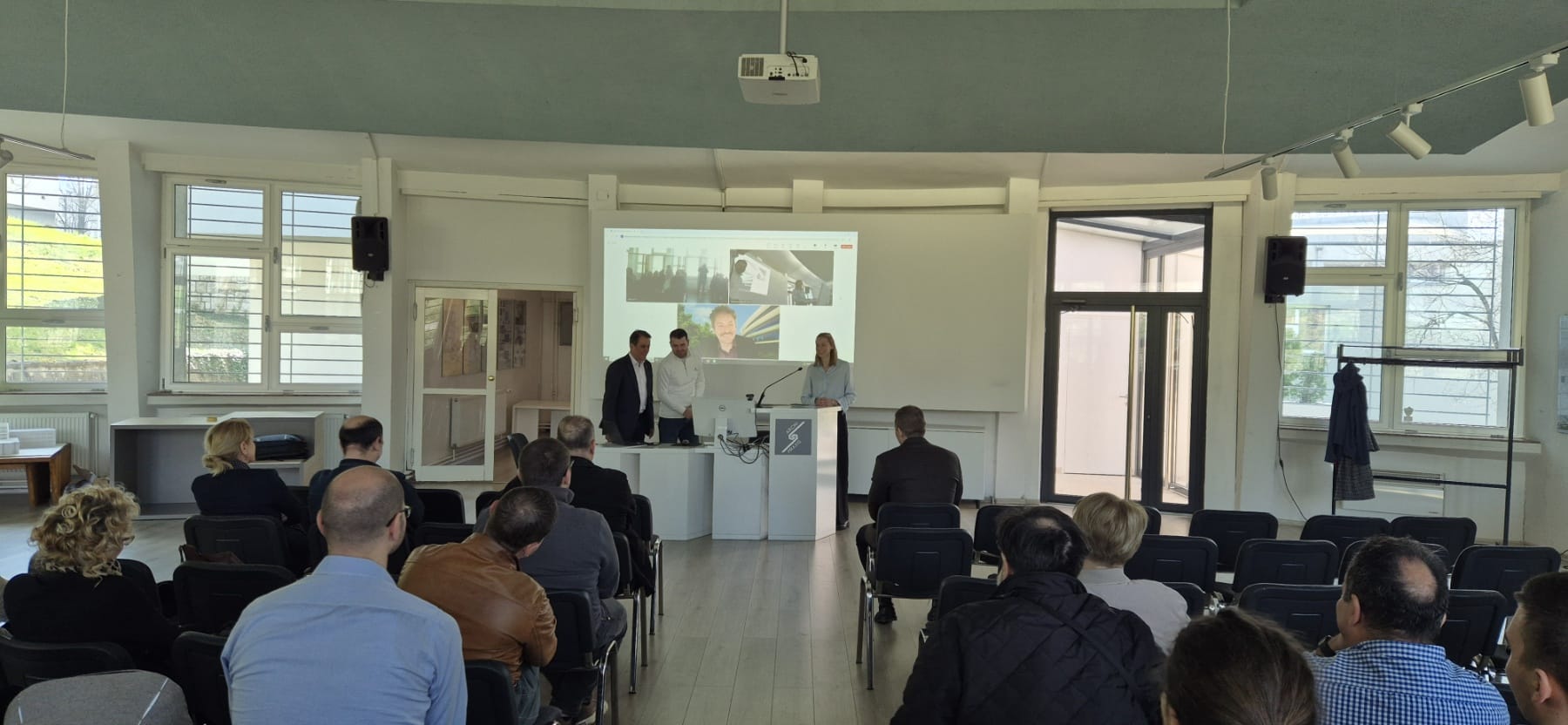
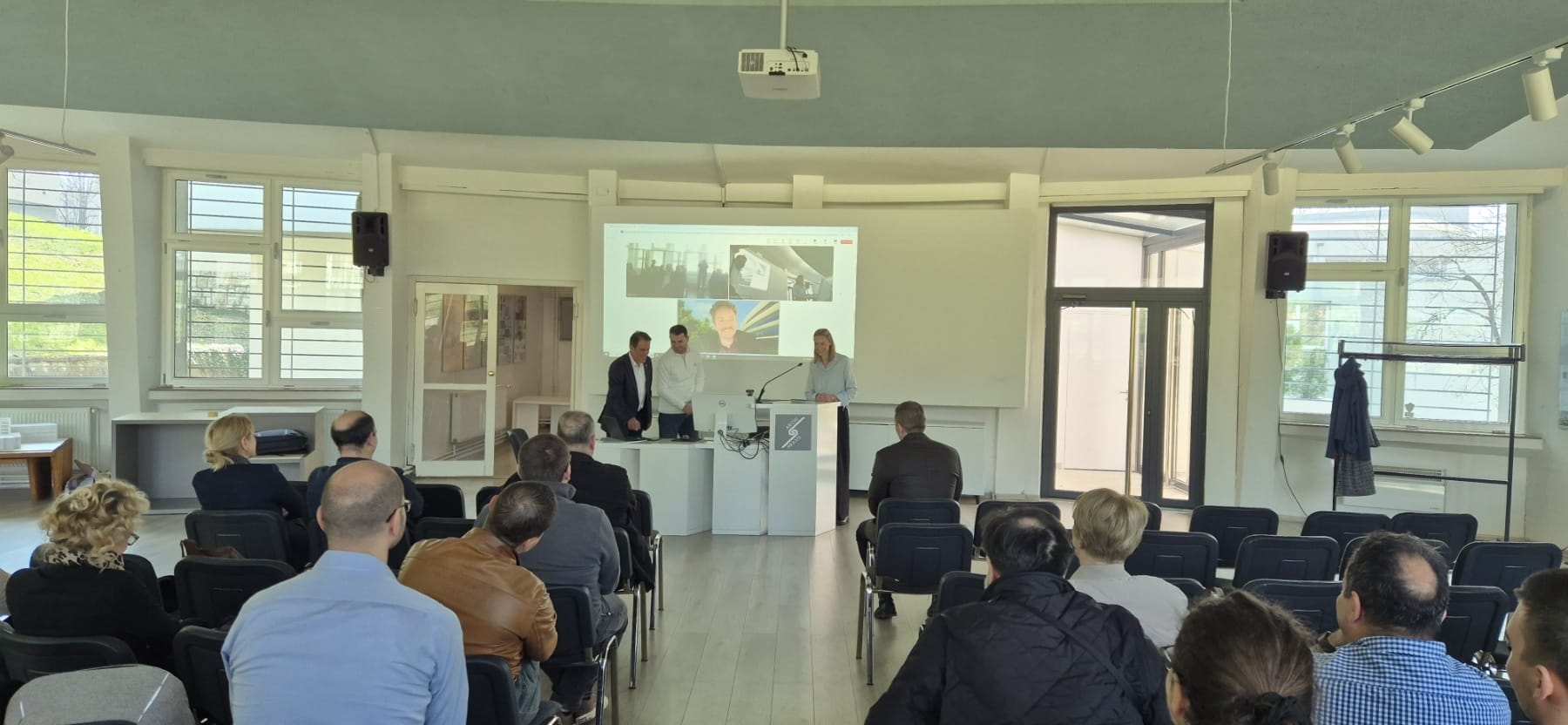
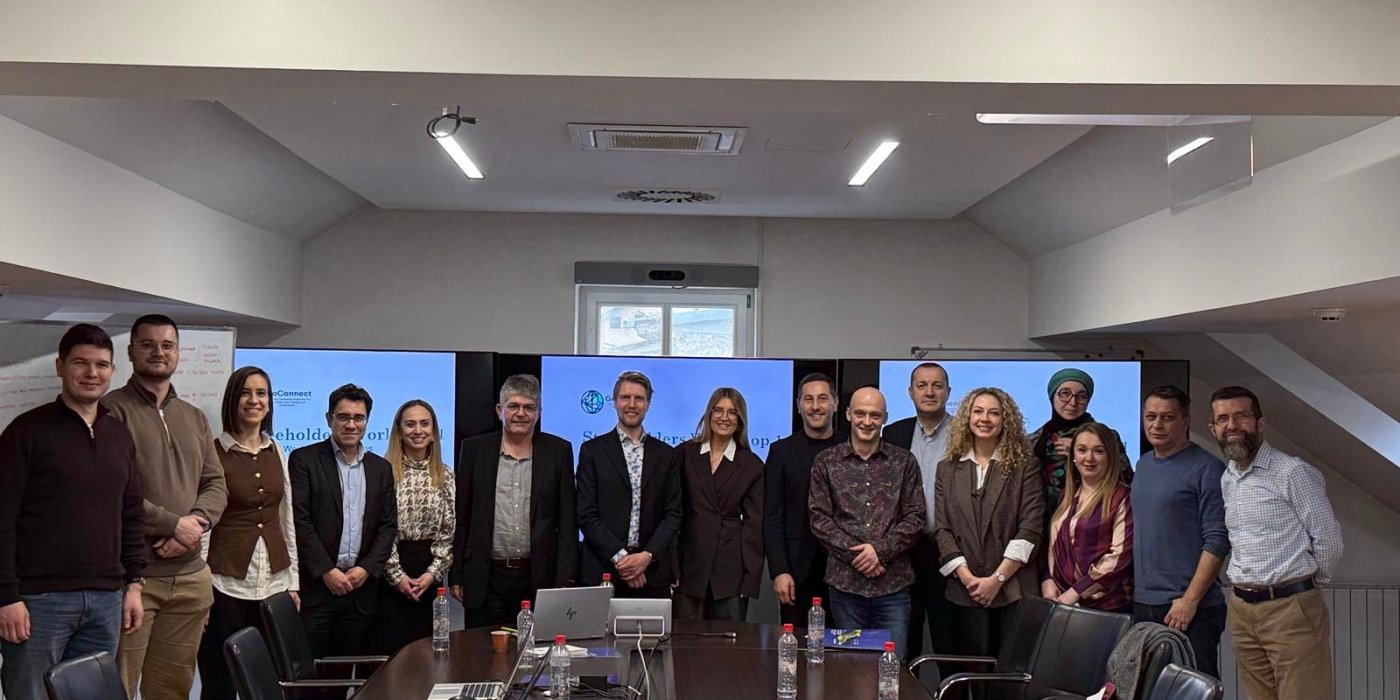
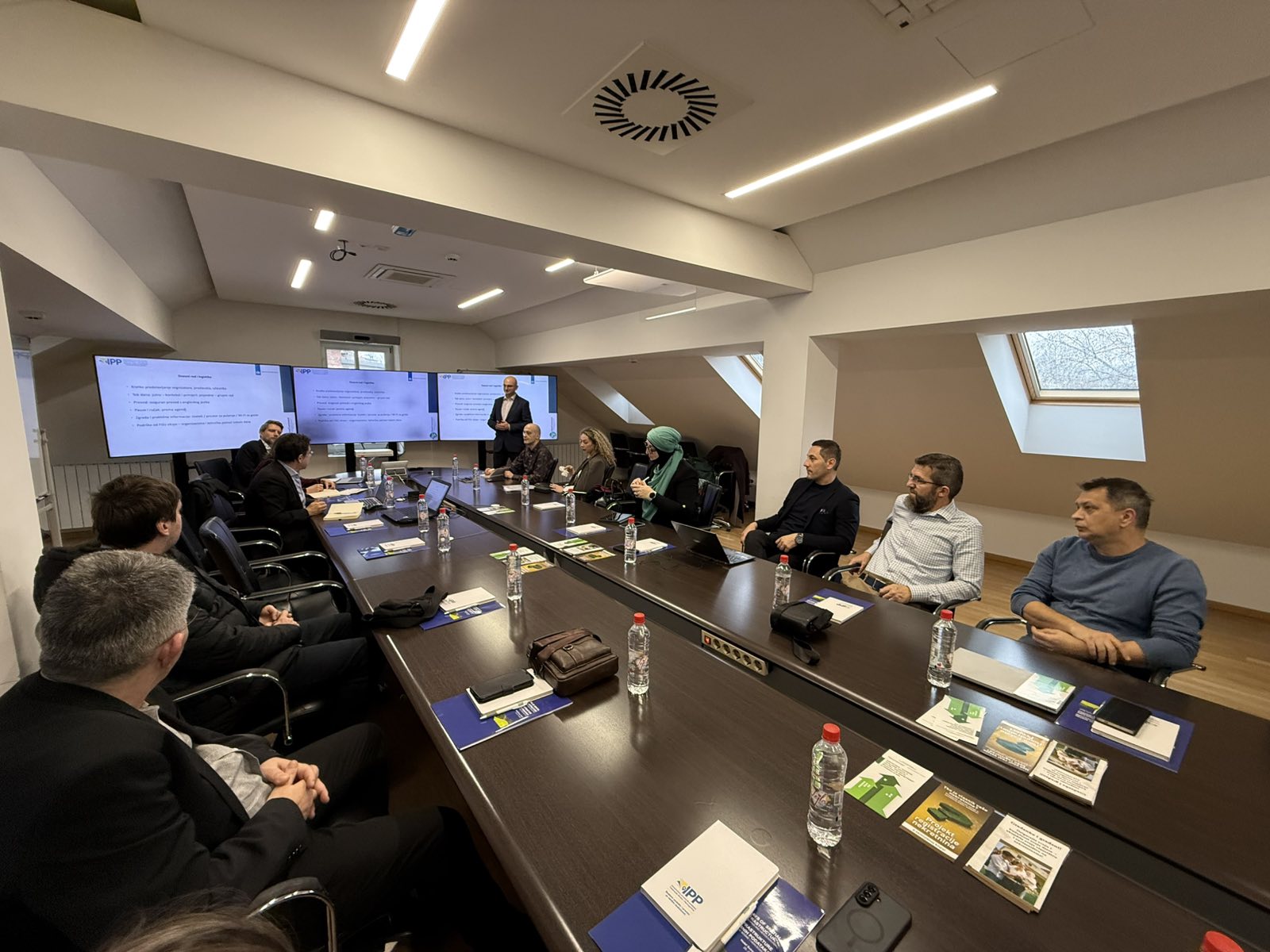
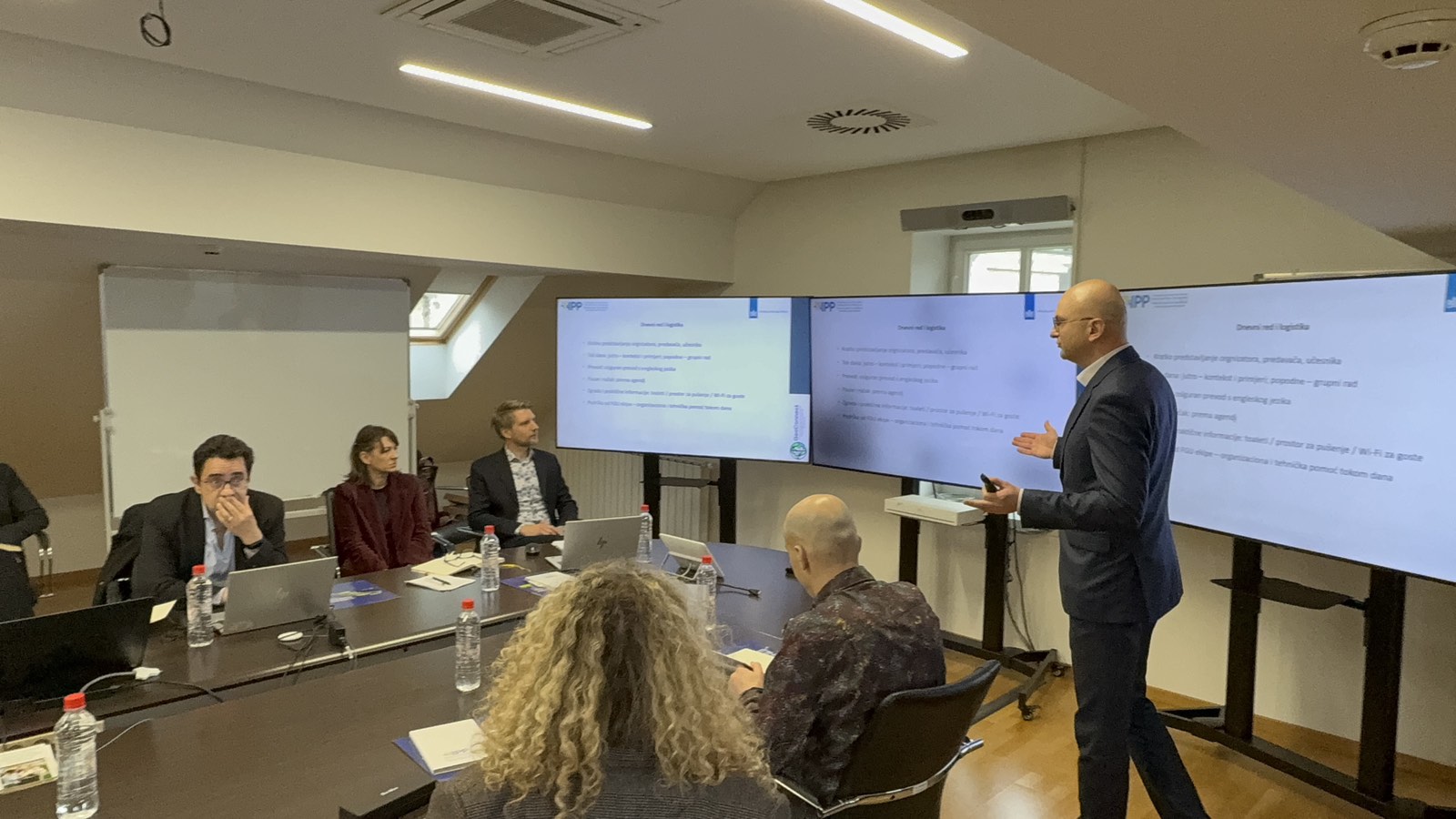
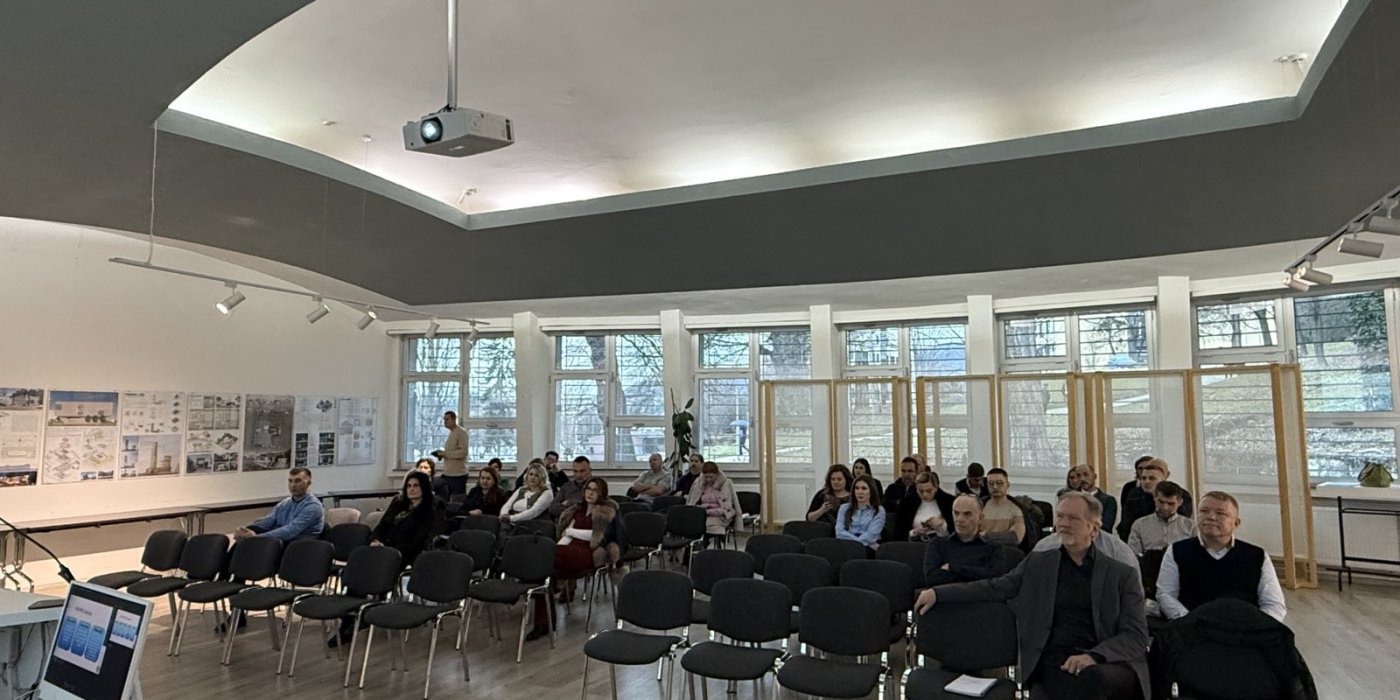
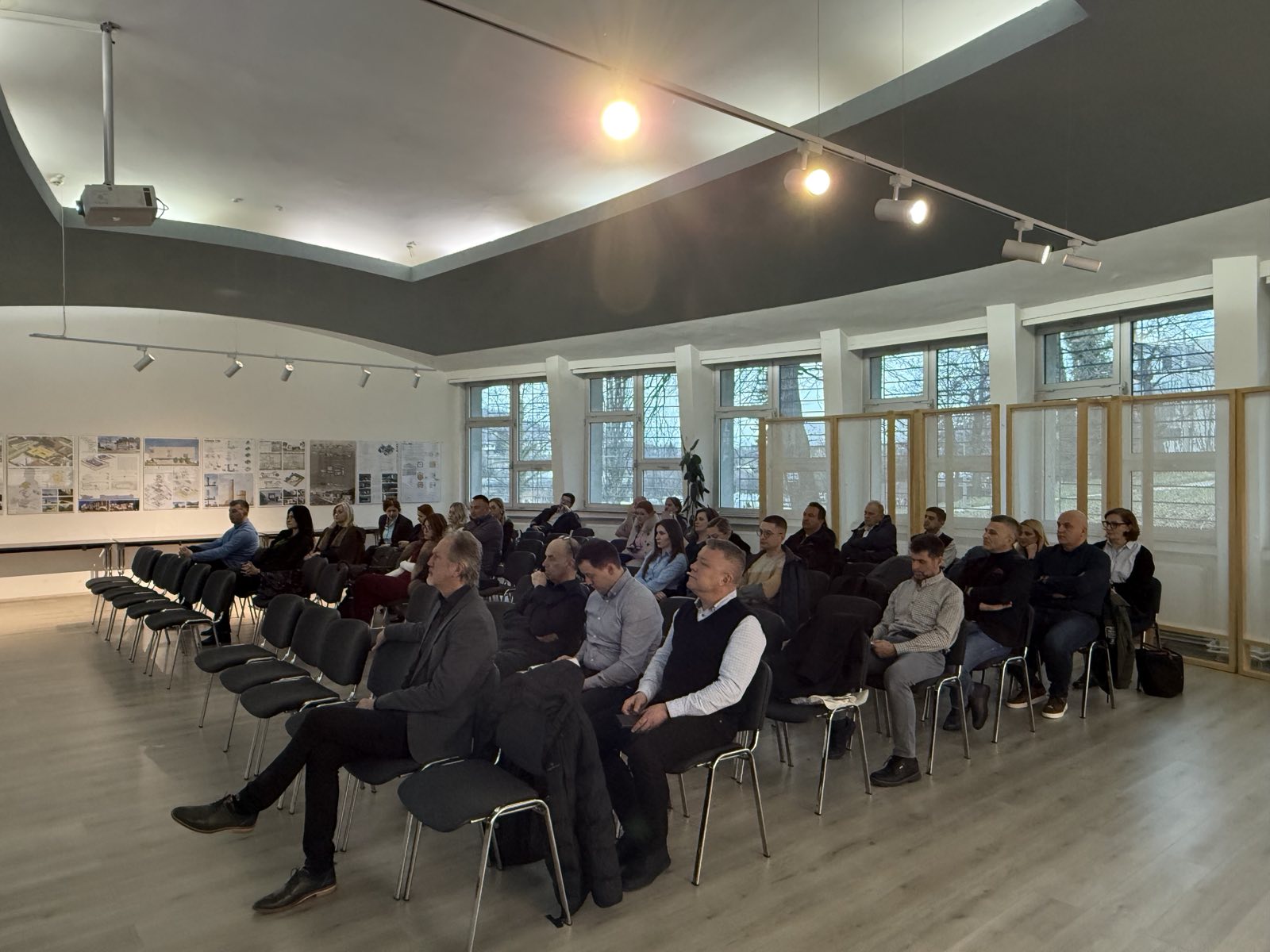
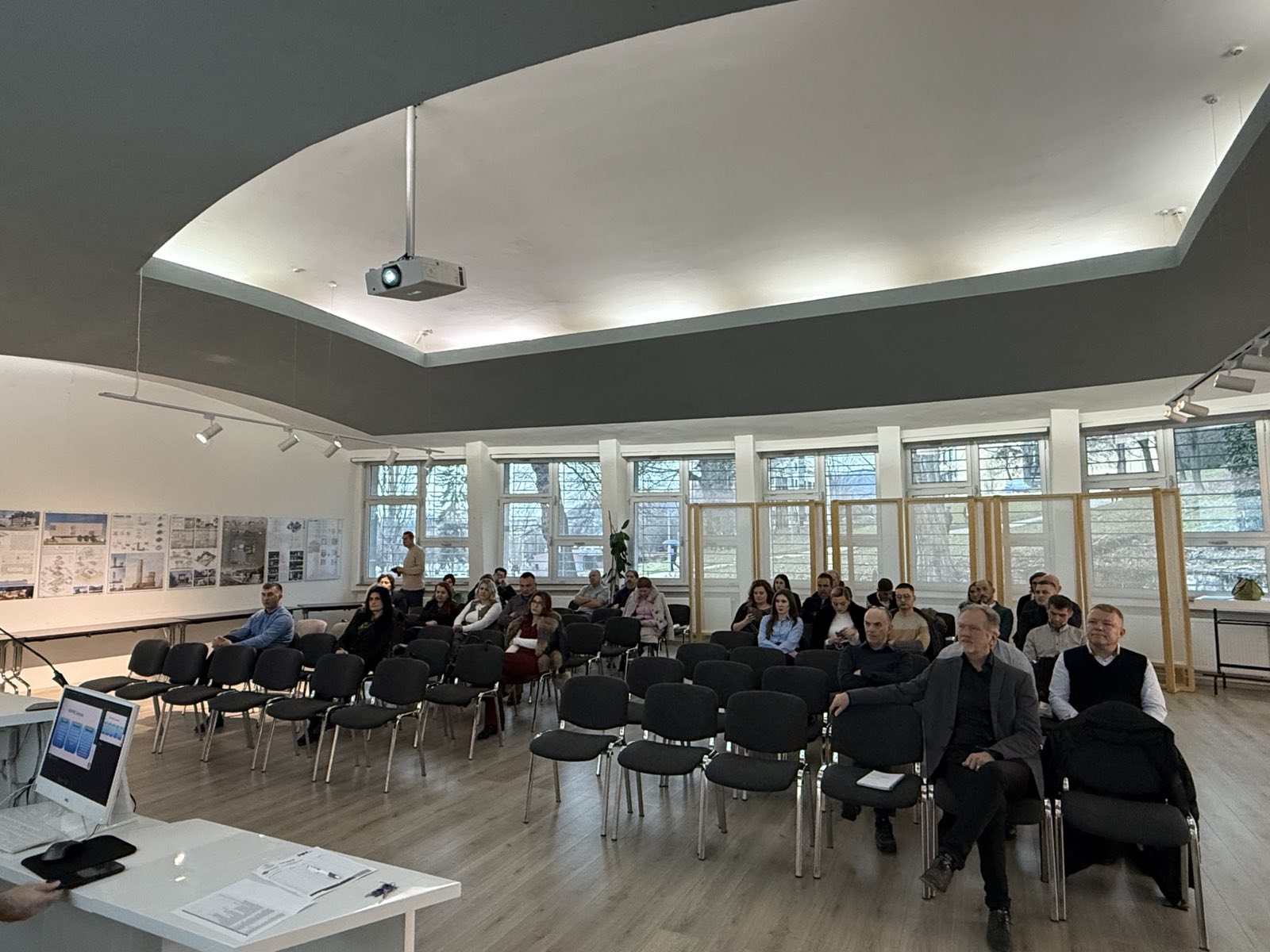
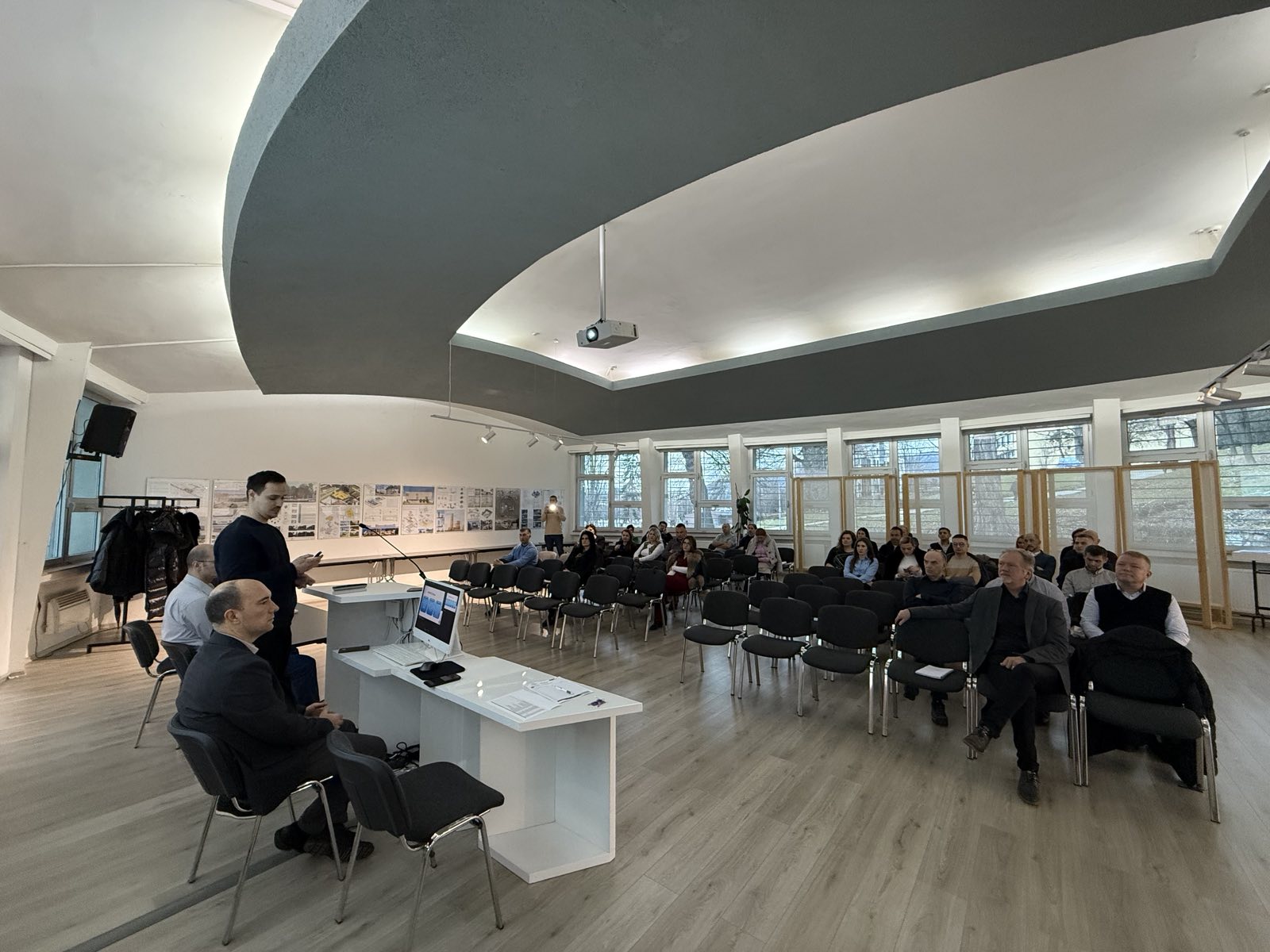
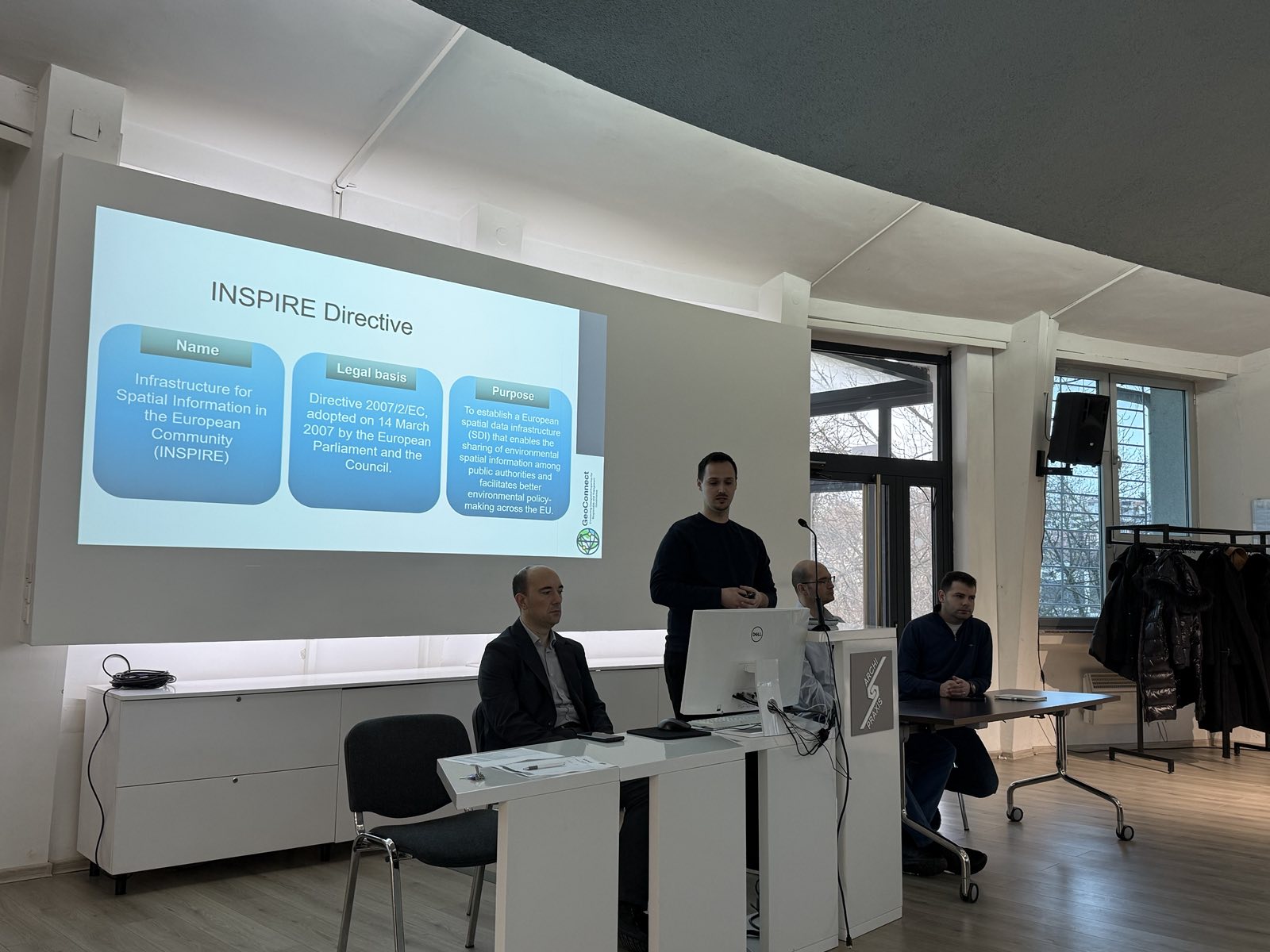
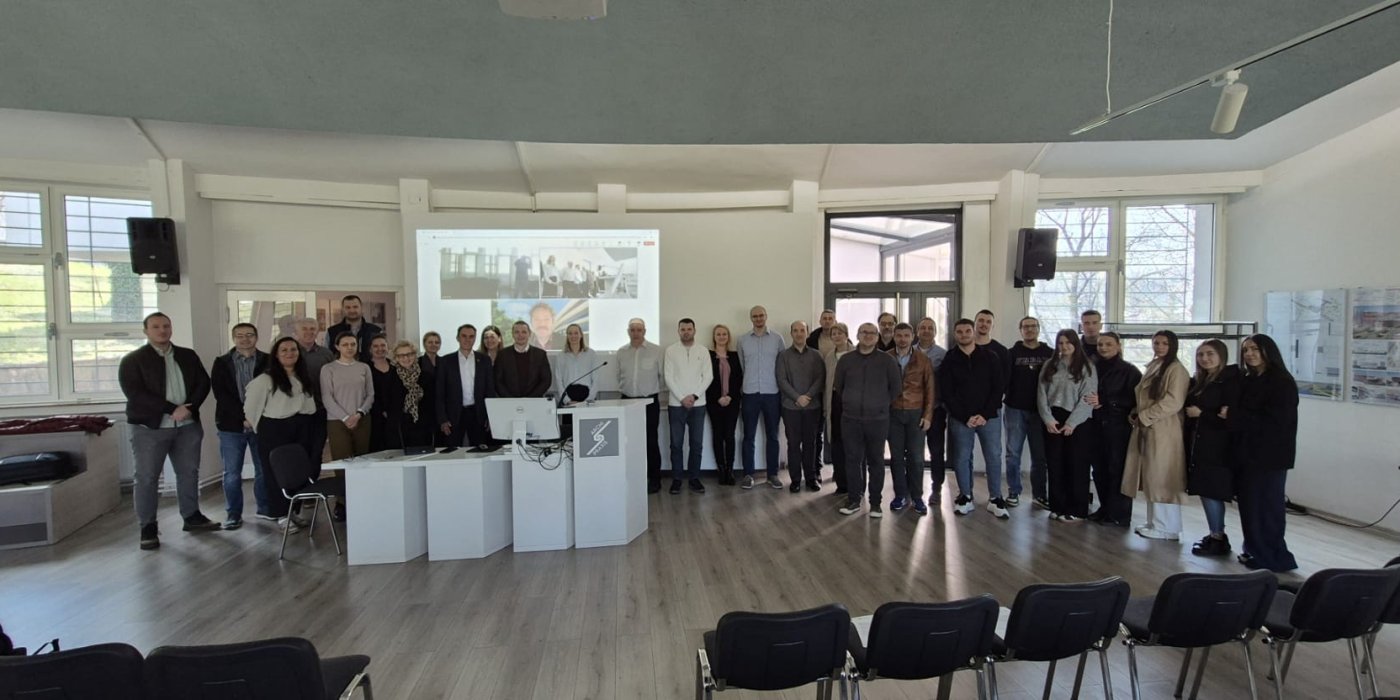
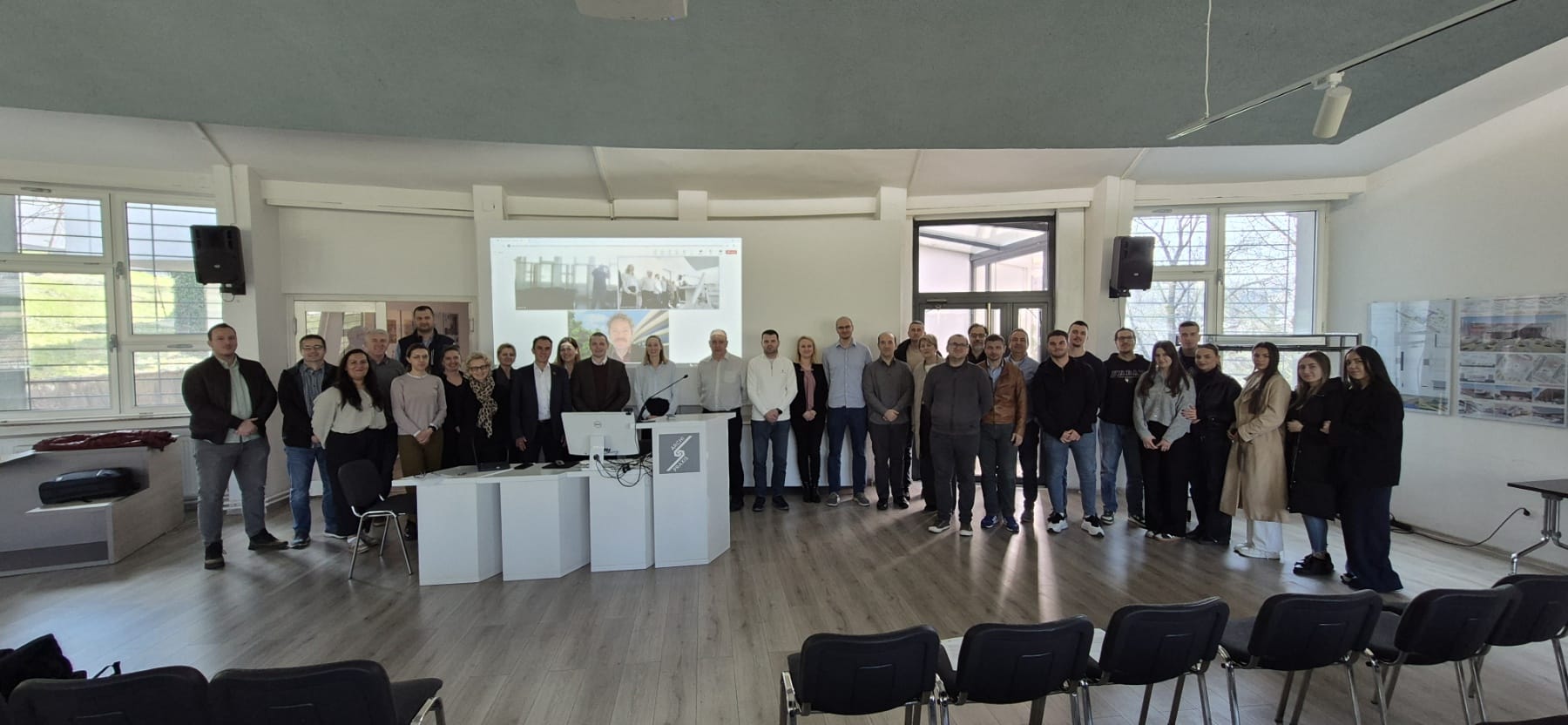
On March 10, 2026, a Train-the-Trainer workshop was held at the Faculty of Civil Engineering, University of Sarajevo, within the framework of the GeoConnect project, as part of activities aimed at strengthening institutional capacities in the field of geospatial data management and the development of the Spatial Data Infrastructure in the Federation of Bosnia and Herzegovina. The workshop was implemented as one of two workshops planned for March 2026, with the second workshop scheduled for March 12 at the University of Mostar.

This workshop represents an important step in the development of sustainable, locally driven capacities for managing geospatial data and implementing the NSDI concept in Bosnia and Herzegovina. Unlike traditional professional training sessions, the objective of this event was not to confirm or verify a predefined curriculum, but rather to strengthen the pedagogical, conceptual, and organizational capacities of participants and to jointly initiate the process of developing a future curriculum in the field of spatial data infrastructure.

The importance of the workshop is further emphasized by the fact that the University of Sarajevo and the University of Mostar have been recognized as key stakeholders and co-owners of the future development of the NSDI curriculum in the Federation of Bosnia and Herzegovina. International partners, primarily the ITC University of Twente and Kadaster International, play the role of facilitators and providers of methodological support in this process, sharing international experience and best practices while maintaining a clear focus on locally driven development of content and directions for action.

The workshop program was designed as a one-day intensive training combining introductory lectures, discussions, practical examples, and group work. The thematic focus was on understanding the role of NSDI and geospatial data in transparent governance, the application of INSPIRE principles and standards, methods for teaching adult learners, as well as joint reflection on future teaching content and models for their implementation in both academic and professional environments.

Through sessions and collaborative curriculum design activities, participants began drafting the future curricular components, including the definition of target groups, key learning outcomes, possible modules, and indicative content. In this way, the workshop did not represent a final product, but rather the beginning of a broader and gradual process of developing educational and professional programs in the field of spatial data infrastructure tailored to the needs of the Federation of Bosnia and Herzegovina.

The workshop also reaffirmed the importance of cooperation between the academic community, competent institutions, and international partners in strengthening knowledge and competencies in the field of geospatial information. The results of these activities are expected to serve as a foundation for further curriculum development, the preparation of supporting teaching materials, and the long-term institutional strengthening of the field of geospatial data and spatial data infrastructure in Bosnia and Herzegovina.

IPP Council Adopts Decision on the Adoption of Standards for the Needs of IPP FBiH

IPP Council Adopts Decision on the Adoption of Standards for the Needs of IPP FBiH

The Council for Spatial Data Infrastructure of the Federation of Bosnia and Herzegovina (IPP FBiH Council) adopted on 22 December 2025 the “Decision on the Adoption of Standards for the Needs of the Spatial Data Infrastructure of the Federation of Bosnia and Herzegovina.” This decision establishes a unified and official set of standards that provide the technical, organizational, and conceptual framework for the functioning, development, and maintenance of the Spatial Data Infrastructure of the Federation of BiH (IPP FBiH).

The adopted standards, listed in the annex to the decision, cover key areas of spatial data management, including:

  • metadata and metadata catalogs,
  • spatial data models and formats,
  • network services and service interfaces,
  • quality management and code lists,
  • identifiers and reference systems,
  • and other elements necessary to ensure the interoperability of IPP FBiH.

The implementation of these standards ensures a consistent approach to creating, storing, sharing, and using spatial data, enabling better inter-institutional cooperation and more efficient exchange of spatial information at the FBiH level. The standards define clear procedures and rules, thereby improving the quality, integrity, and reliability of the data used across various sectors.

Annex:

THE FIFTIETH SESSION OF THE SDI FBiH COUNCIL HELD

THE FIFTIETH SESSION OF THE SDI FBiH COUNCIL HELD

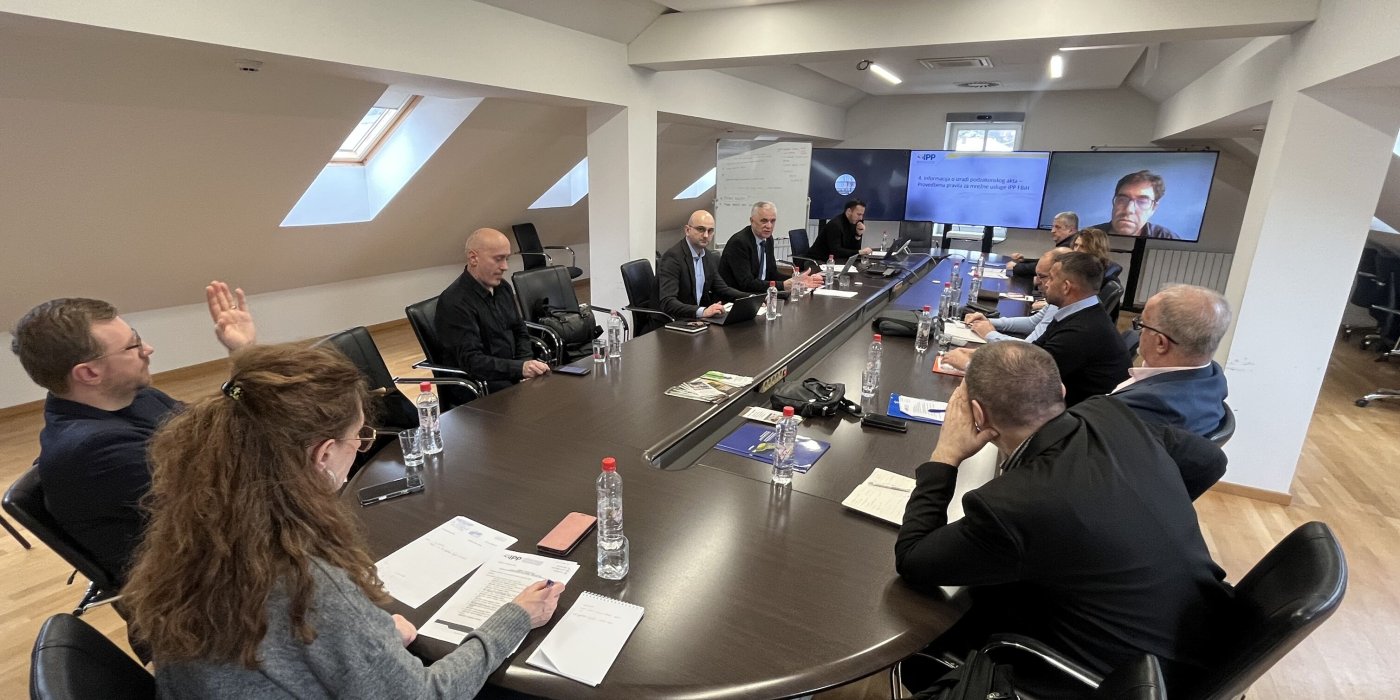
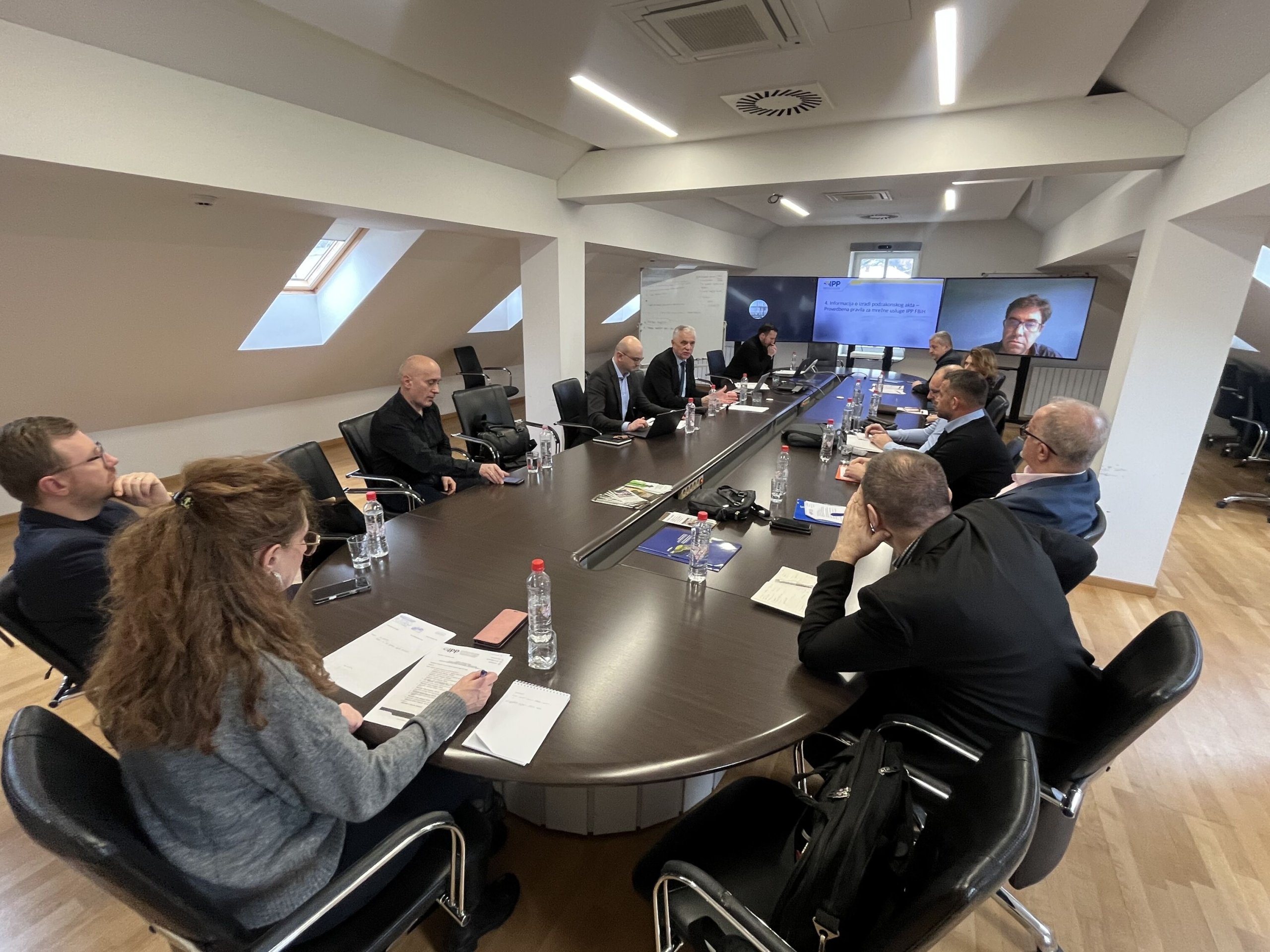
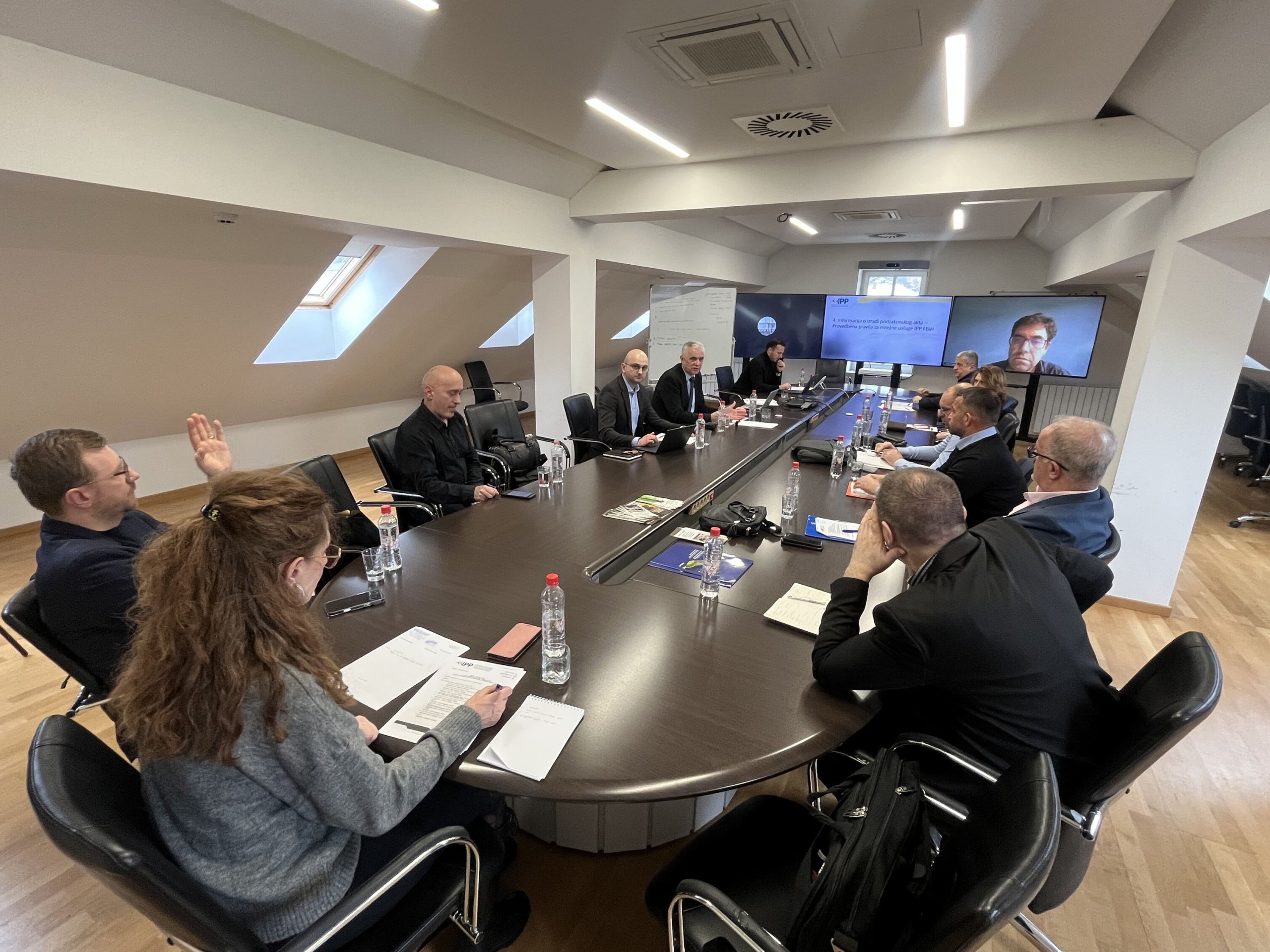
On February 17, 2026, the 50th session of the IPP FBiH Council was held at the premises of the Federal Administration for Geodetic and Real Property Affairs, where key issues related to the establishment, maintenance, and further development of the Spatial Data Infrastructure of the Federation of Bosnia and Herzegovina (SDI FBiH) were discussed.

At the session, the Council considered the following agenda items:

  1. Adoption of the agenda for the 50th session of the IPP FBiH Council;
  2. Adoption of the Minutes from the previous, 49th session of the IPP FBiH Council;
  3. Decision on the adoption of the General Licensing Conditions for Spatial Data of FBiH – proposal;
  4. Information on the drafting of a bylaw – Implementing Rules for SDI network services;
  5. Information on the amendment of the composition of the Working Group for Institutional and Legal Issues;
  6. Information and proposal of the Report on the establishment, maintenance, and development of SDI FBiH for 2025;
  7. Information and proposal of the Work Plan for the establishment, maintenance, and development of SDI FBiH for 2026;
  8. Lecture within the GeoConnect project by Prof. Dr. Ir. Joep Crompvoets — KU Leuven, Belgium;
  9. Information on the planned study visit of the IPP FBiH Council within the GeoConnect project;
  10. Other. 

Through discussions on the agenda items, the importance of the continuous development of IPP FBiH was reaffirmed, with particular emphasis placed on improving network services and adopting the Decision on the General Licensing Conditions for Spatial Data of FBiH, with the aim of further alignment with European initiatives and regulations.

During the session, the Report on the establishment, maintenance, and development of IPP FBiH for 2025 was presented. The Report provides an overview of implemented activities, achieved results, and identified challenges during the past year. At the same time, the proposal of the Work Plan for 2026 was considered, defining priorities and strategic activities for the upcoming period, with special emphasis on strengthening institutional cooperation and the digitalization of spatial data.

A special contribution to the session was made by the guest lecturer, Prof. Dr. Ir. Joep Crompvoets from KU Leuven (Belgium), who, within the GeoConnect project, delivered an expert lecture on contemporary trends in managing spatial data infrastructures, institutional models, and European experiences in the field of interoperability and open data. The lecture encouraged a constructive discussion on the possibilities of applying good practices in the Federation of Bosnia and Herzegovina.

By holding its 50th session, the IPP FBiH Council reaffirmed its continuous commitment to the development of a modern, interoperable, and efficient spatial data system, in line with European standards and the needs of public administration, the economy, and the citizens of the Federation of Bosnia and Herzegovina.

GeoConnect “Use Cases” Workshop Held: Supporting SDI Stakeholders Through Practical Examples

GeoConnect “Use Cases” Workshop Held: Supporting SDI Stakeholders Through Practical Examples

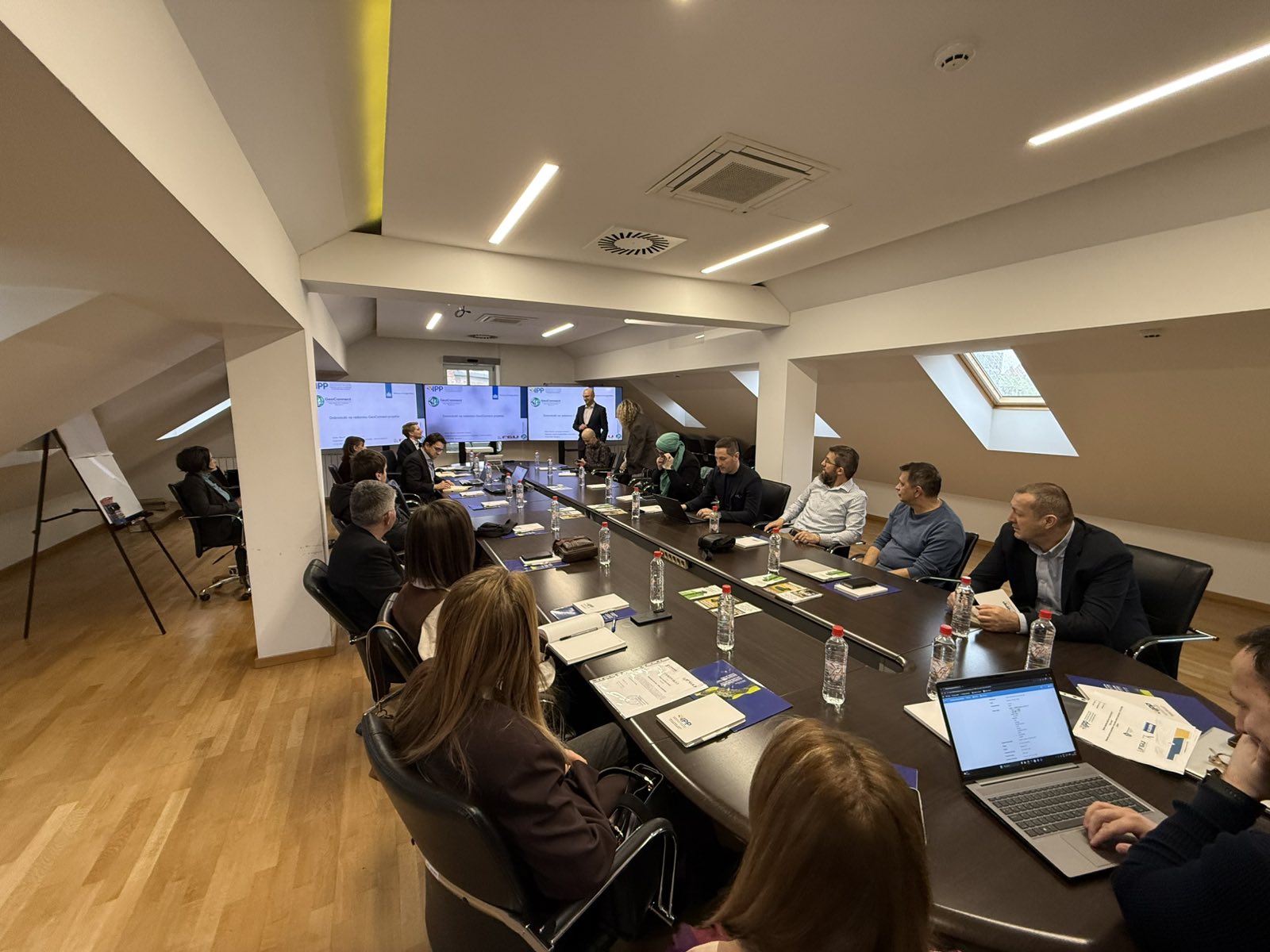
On 13 February 2026, the “Use Cases” workshop was held in Sarajevo as part of the GeoConnect project, hosted by the Federal Administration for Geodetic and Property-Legal Affairs (FGU). The workshop brought together representatives of the Spatial Data Infrastructure stakeholders of the Federation of Bosnia and Herzegovina (SDI FBiH), including:

  • Federal Institute of Geology,
  • Federal Hydrometeorological Institute,
  • Federal Ministry of the Interior,
  • Environmental Protection Fund,
  • Federal Ministry of Environment and Tourism,
  • Federal Ministry of Education and Science,
  • Federal Institute of Statistics,
  • Federal Administration of Civil Protection,
  • Institute for Urbanism and Spatial Planning of Zenica-Doboj Canton,
  • Institute for Development Planning of Sarajevo Canton,
  • Institute for Urbanism, Spatial Planning and Protection of Cultural and Historical Heritage of Central Bosnia Canton.

The workshop focused on strengthening the professional capacities of SDI stakeholders through an approach based on real-world use cases, with an emphasis on practical applicability in day-to-day work.

In the introductory session, GeoConnect and the purpose of the workshop were presented, along with a brief introduction of participants. This set the stage for a shared understanding of how a use case approach can help institutions prioritize datasets and services that provide the greatest operational value within the SDI framework.

The thematic part of the workshop opened with a lecture on the SDI/IPP and INSPIRE context, delivered by Prof. Dr. Joep Crompvoets (KU Leuven – Public Governance Institute, Belgium). His work focuses on information governance in the public sector, digital transformation, and geospatial data and SDI topics. Within this context, he highlighted the importance of linking standards and interoperability to concrete institutional needs.

The practical dimension was further strengthened through a presentation of SDI use case examples from the Netherlands, providing insight into how interoperable data and standardized services support more efficient coordination and more reliable information exchange. The examples were presented by Jaap-Willem Sjoukema from the Dutch Kadaster—the Netherlands’ national cadastre, land registry, and mapping agency—which also plays a significant role in developing and supporting the national spatial data infrastructure.

The second part of the day was dedicated to interactive work: following an introduction to the workshop, participants engaged in group work and then presented results in a plenary session, followed by a joint discussion and conclusions. This format enabled institutions to directly connect standards, data, and services with their own business processes and to identify priorities within the SDI more clearly.

The workshop was implemented with the support of the GeoConnect project, a donor initiative funded by the Kingdom of the Netherlands, further confirming the strategic importance of investing in capacities, interoperability, and the practical use of spatial data in the Federation of Bosnia and Herzegovina.

GeoConnect workshops held at the Faculty of Civil Engineering, University of Sarajevo: metadata, interoperability and practical uses of SDI

Održane GeoConnect radionice na Građevinskom fakultetu UNSA: metapodaci, interoperabilnost i praktične koristi IPP-a

On February 6, 2026, full-day workshops for stakeholders of the Spatial Data Infrastructure of the Federation of Bosnia and Herzegovina (SDI FBiH) were held at the Faculty of Civil Engineering, University of Sarajevo. The workshops were implemented as part of the GeoConnect project – Connecting Geoinformatics Expertise for Responsible and Transparent Governance, which aims to strengthen the professional capacities of institutions and improve spatial data management through the application of standards, interoperability, and practical solutions in everyday work.

The program was structured into several thematic units that correspond to the key practical needs of institutions. In the introductory part, the basic concepts of the SDI FBiH were presented, along with the role of metadata and their importance for the discovery, understanding, and use of spatial data, as well as for the high-quality publication of datasets and network services. Special emphasis was placed on metadata standards and elements that enable a consistent and unambiguous description of datasets and services, highlighting the importance of metadata quality and the responsibility of institutions for their accuracy and currency.

In the continuation of the workshops, the topic of the practical benefits of the SDI approach was addressed, supported by examples of good practice from the international context. Through the discussion, it was emphasized that interoperable data and standardized services bring measurable benefits, such as faster exchange of information between institutions, reduced duplication of data collection, increased transparency and data availability, and higher-quality inputs for planning and decision-making. Particular emphasis was placed on the need to connect users and institutions around concrete use cases, in order to ensure that standards and tools are applied to real processes and practical challenges.

The workshops also included a segment dedicated to interoperability and network services, within which the key elements of modern interoperability frameworks were presented, along with current trends in the European context (including the concept of data spaces) and principles that promote data usability and reuse. In this context, the FAIR principles were addressed, together with a review of relevant standards and technologies for the publication and exchange of spatial data, including OGC web services (WMS, WFS, WCS, Atom) and the modern approach based on the OGC API. Through practical examples, it was further demonstrated how these standards and services can be applied within the SDI FBiH framework and how they contribute to more reliable and efficient data exchange between institutions.

As part of the interactive segment of the workshops, participants had the opportunity to exchange experiences, raise questions from their own practice, and discuss challenges and possible solutions related to the application of standards, publication of metadata, and development of network services. Particular emphasis was placed on the importance of coordination, clearly defined rules and roles, as well as continuous capacity building, with the aim of achieving a harmonized approach and the sustainable development of the SDI framework in the Federation of Bosnia and Herzegovina.

The workshops concluded with a joint discussion and the identification of next steps, with a focus on the practical applicability of the topics addressed within institutions and the need to continue activities through concrete initiatives based on use cases, strengthened governance, and further collaboration within the SDI community. By organizing these workshops, the Federal Administration for Geodetic and Real Property Affairs reaffirmed its commitment to supporting SDI FBiH stakeholders through a proactive approach, partnership-based cooperation, and continuous education, in order to modernize processes, standardize data, and enhance interoperable exchange of spatial data and services.

Federal Administration for Geodetic and Real Property Affairs

Working hours: 08:00 - 16:00
Contact phone: 033/712-616
E-mail: ipp.fbih@fgu.com.ba

Hamdije Kreševljaković br.96

Sarajevo 71000

©FGU 2024, ALL RIGHTS RESERVED.