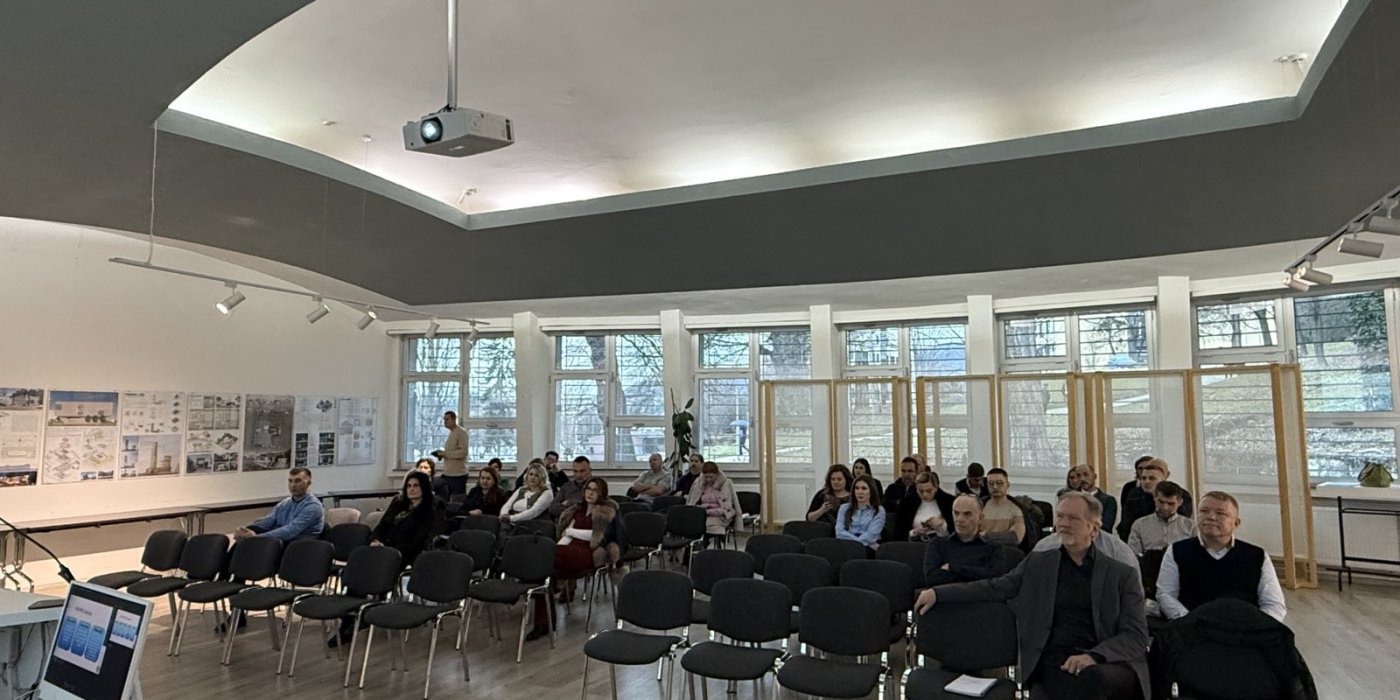
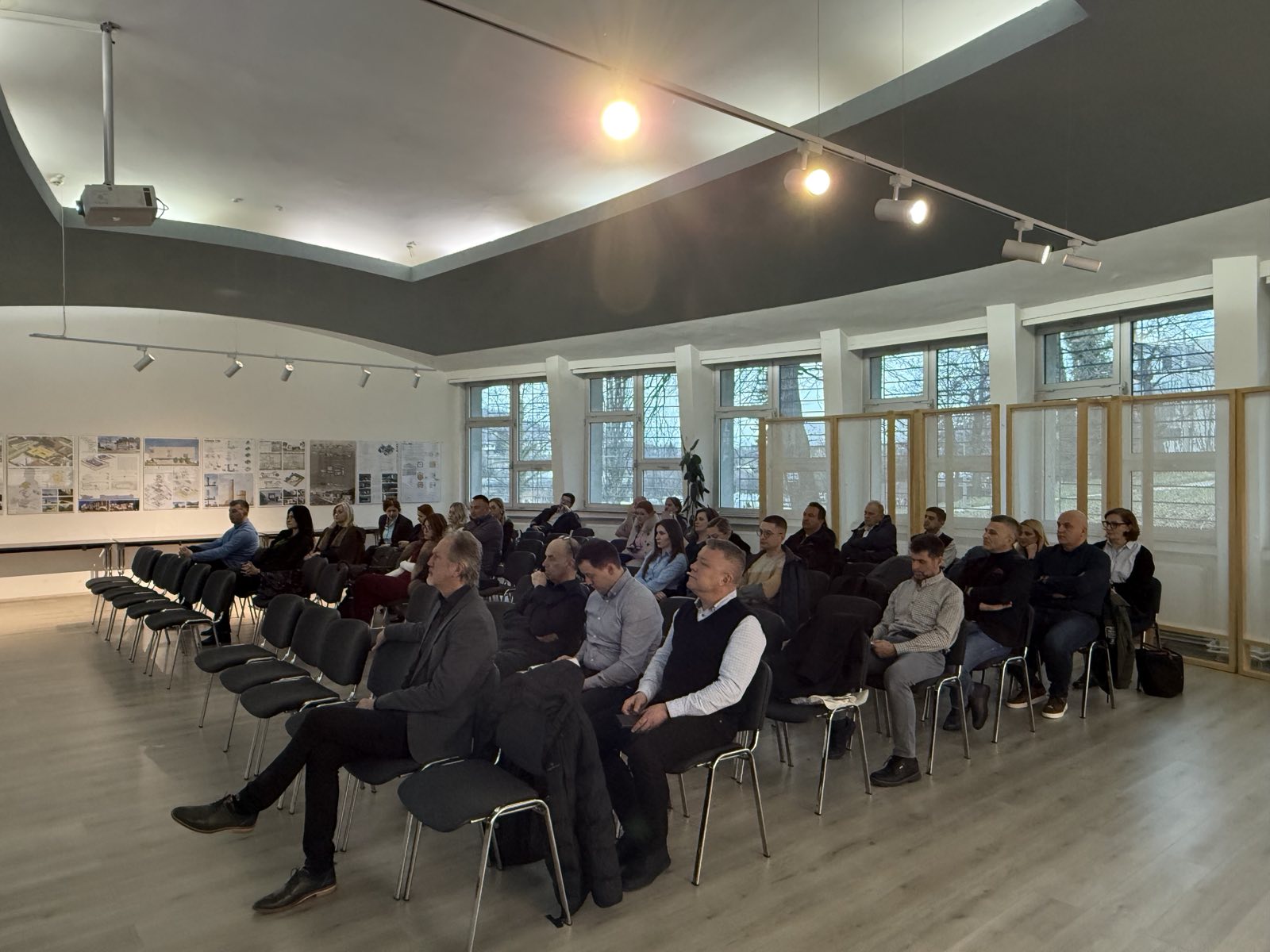
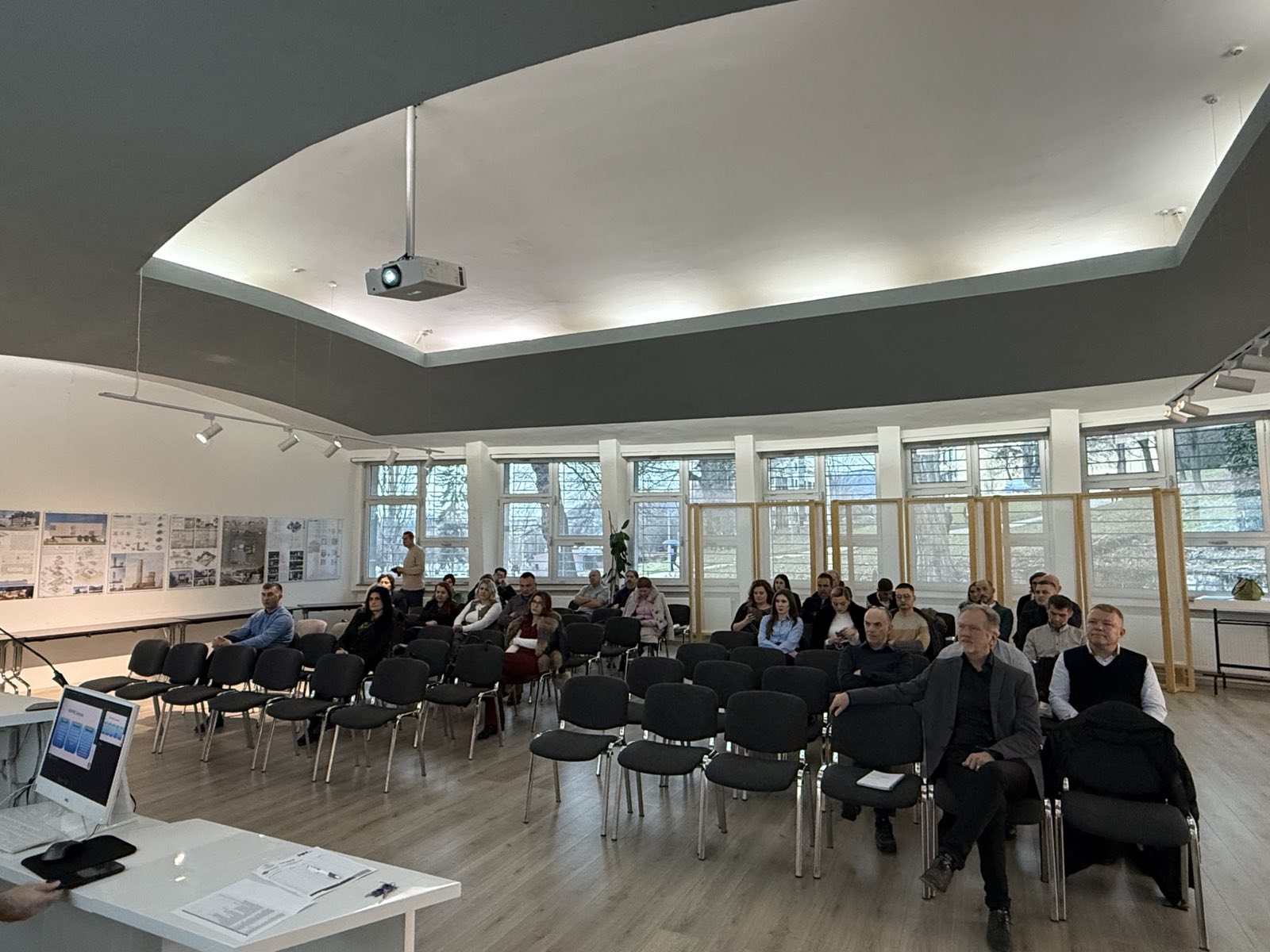
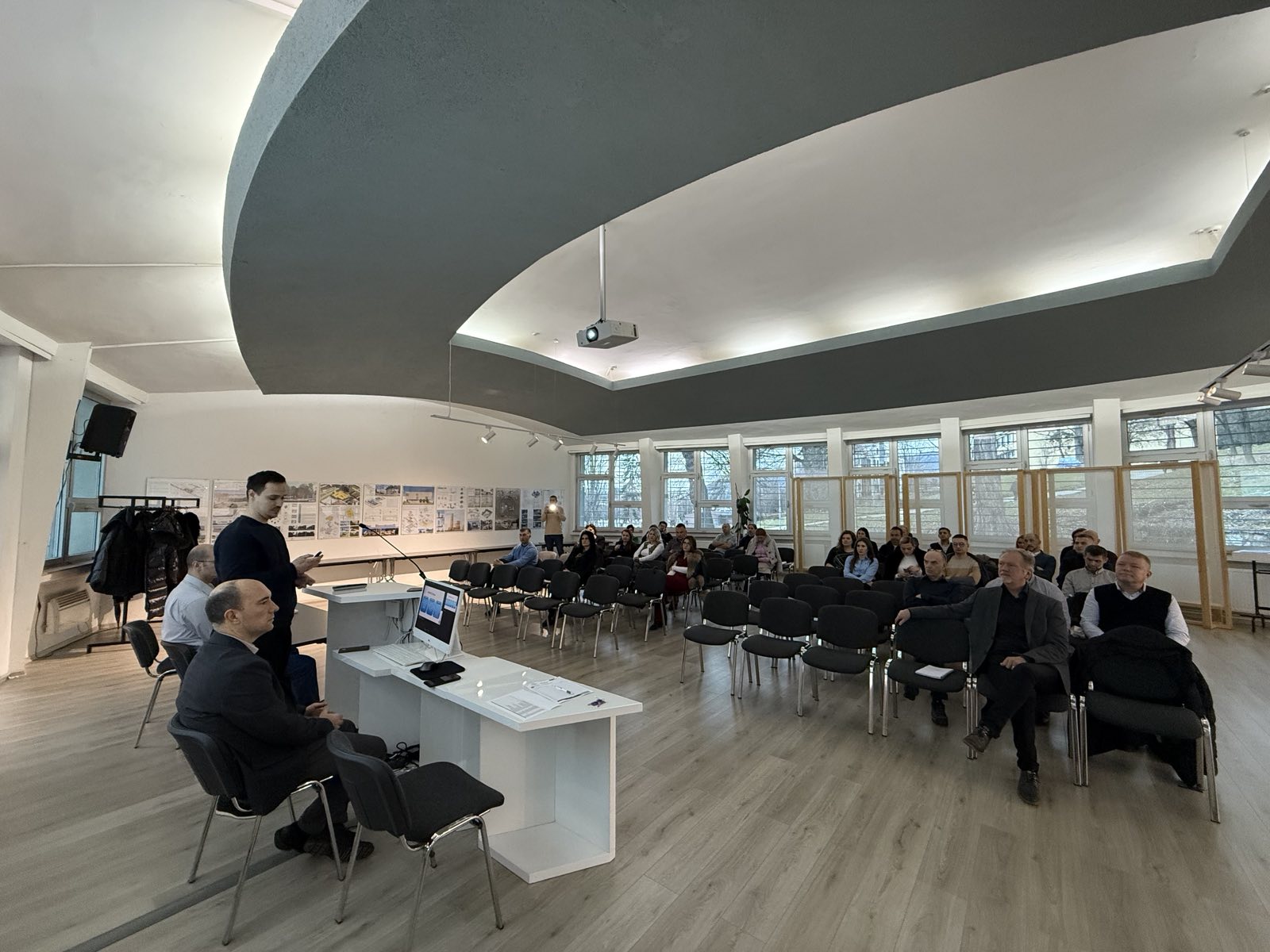
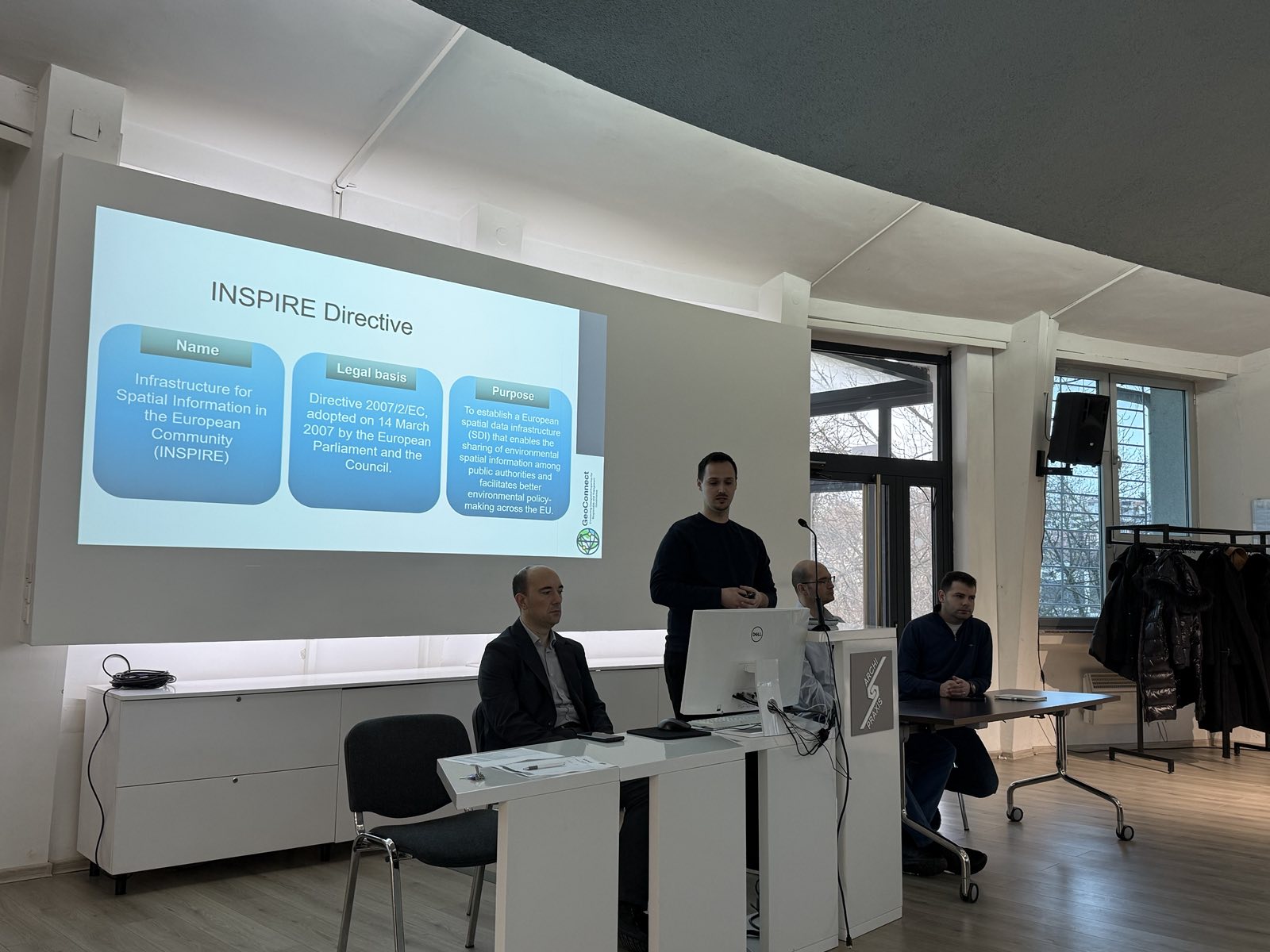
On February 6, 2026, full-day workshops for stakeholders of the Spatial Data Infrastructure of the Federation of Bosnia and Herzegovina (SDI FBiH) were held at the Faculty of Civil Engineering, University of Sarajevo. The workshops were implemented as part of the GeoConnect project – Connecting Geoinformatics Expertise for Responsible and Transparent Governance, which aims to strengthen the professional capacities of institutions and improve spatial data management through the application of standards, interoperability, and practical solutions in everyday work.
The program was structured into several thematic units that correspond to the key practical needs of institutions. In the introductory part, the basic concepts of the SDI FBiH were presented, along with the role of metadata and their importance for the discovery, understanding, and use of spatial data, as well as for the high-quality publication of datasets and network services. Special emphasis was placed on metadata standards and elements that enable a consistent and unambiguous description of datasets and services, highlighting the importance of metadata quality and the responsibility of institutions for their accuracy and currency.
In the continuation of the workshops, the topic of the practical benefits of the SDI approach was addressed, supported by examples of good practice from the international context. Through the discussion, it was emphasized that interoperable data and standardized services bring measurable benefits, such as faster exchange of information between institutions, reduced duplication of data collection, increased transparency and data availability, and higher-quality inputs for planning and decision-making. Particular emphasis was placed on the need to connect users and institutions around concrete use cases, in order to ensure that standards and tools are applied to real processes and practical challenges.
The workshops also included a segment dedicated to interoperability and network services, within which the key elements of modern interoperability frameworks were presented, along with current trends in the European context (including the concept of data spaces) and principles that promote data usability and reuse. In this context, the FAIR principles were addressed, together with a review of relevant standards and technologies for the publication and exchange of spatial data, including OGC web services (WMS, WFS, WCS, Atom) and the modern approach based on the OGC API. Through practical examples, it was further demonstrated how these standards and services can be applied within the SDI FBiH framework and how they contribute to more reliable and efficient data exchange between institutions.
As part of the interactive segment of the workshops, participants had the opportunity to exchange experiences, raise questions from their own practice, and discuss challenges and possible solutions related to the application of standards, publication of metadata, and development of network services. Particular emphasis was placed on the importance of coordination, clearly defined rules and roles, as well as continuous capacity building, with the aim of achieving a harmonized approach and the sustainable development of the SDI framework in the Federation of Bosnia and Herzegovina.
The workshops concluded with a joint discussion and the identification of next steps, with a focus on the practical applicability of the topics addressed within institutions and the need to continue activities through concrete initiatives based on use cases, strengthened governance, and further collaboration within the SDI community. By organizing these workshops, the Federal Administration for Geodetic and Real Property Affairs reaffirmed its commitment to supporting SDI FBiH stakeholders through a proactive approach, partnership-based cooperation, and continuous education, in order to modernize processes, standardize data, and enhance interoperable exchange of spatial data and services.